1. Overview & Physics
Degasification Chemistry
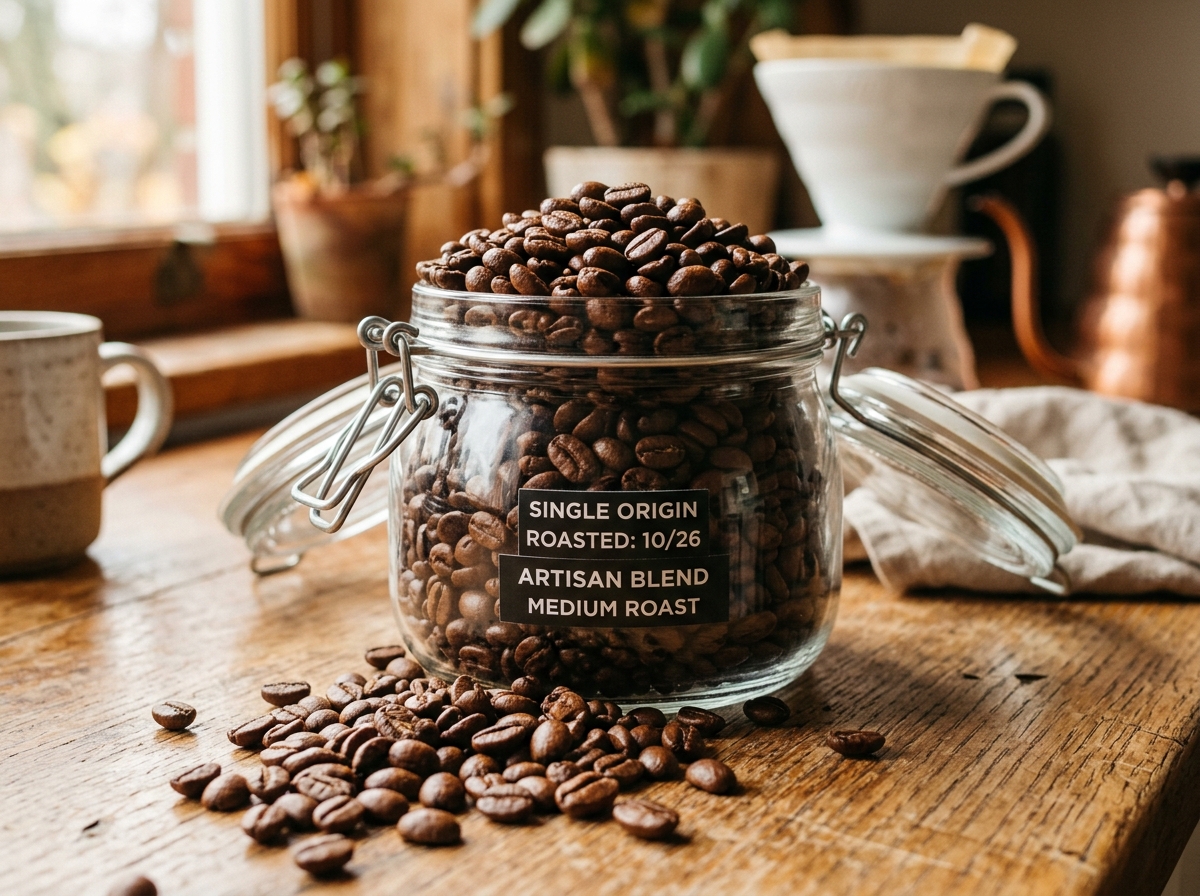
During roasting, thermal decomposition of sugars (caramelization and pyrolysis) creates massive amounts of carbon dioxide (CO2). This gas becomes trapped under pressure inside the bean's porous cellulose structure. Post-roast, the gas slowly diffuses out. For the first 7 days, degassing is highly active. This gas acts as a shield against oxidation, but also physically resists water penetration during brewing.
The Degassing Timeline
Allow light roasts to rest for 10-14 days, and medium/dark roasts for 5-7 days before extraction for maximum sensory balance.
2. Practical Calibrations
Managing this requires measuring indicators in real time. Adjust grind size, water dynamics, and flow parameters incrementally. Change only one variable at a time to ensure clean results and isolate target parameters.
Barista Action Checklist
- Weigh dry grounds dry dose exactly to 0.1g.
- Calibrate water temperature using PID sensors.
- Target correct brew ratios (e.g. 1:15 for filter, 1:2 for espresso).
- Swirl or stir to ensure even saturation during extraction.
- Record extraction time and evaluate flavor notes subjectively.
Frequently Asked Questions
Why do coffee beans degas?
Degassing is the release of carbon dioxide gas trapped inside the bean cellular matrix during the roasting process.
Can I brew coffee immediately after roasting?
Brewing immediately is not recommended because excessive CO2 creates bubbles that block water from contacting coffee solubles, leading to uneven extraction.