1. Overview & Physics
Yield Ratios & Strength
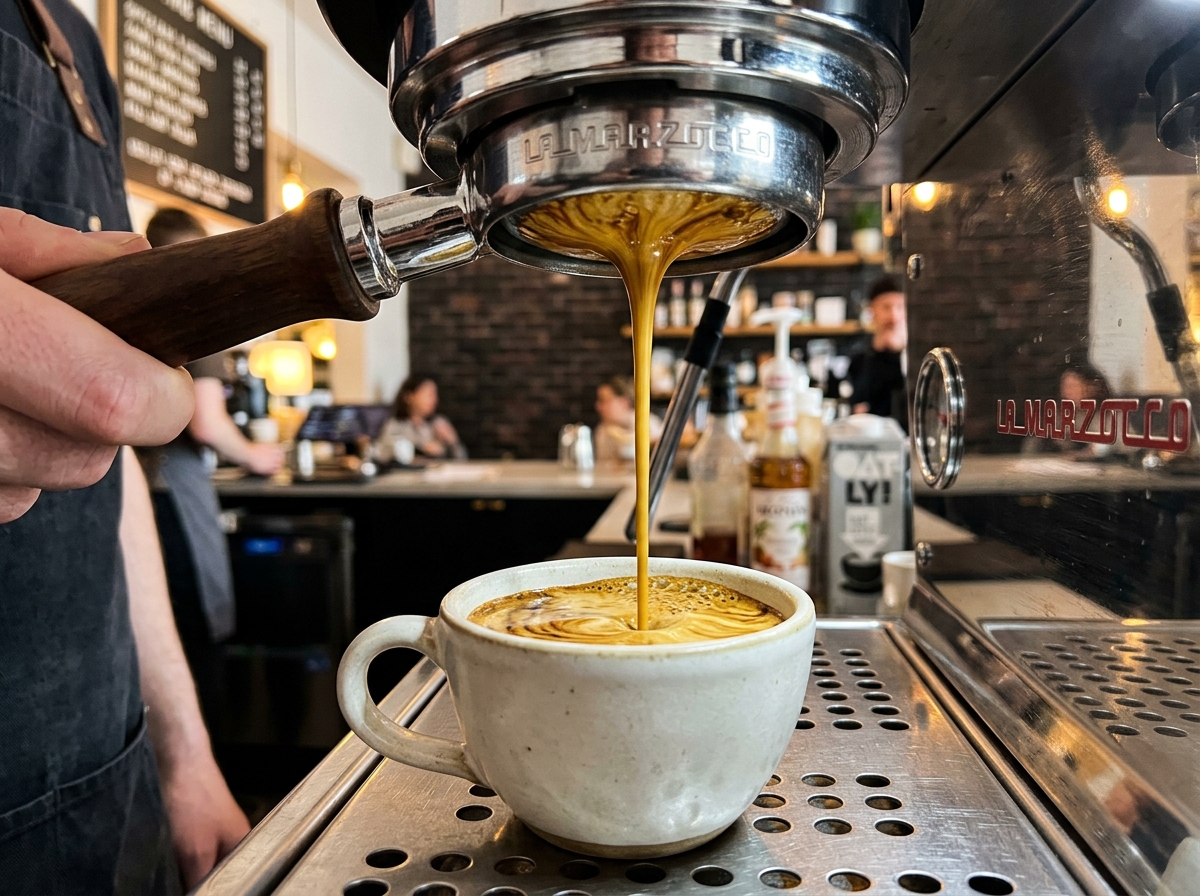
Ratios change TDS (strength) and extraction yield (extraction amount). Ristrettos pull only the highly soluble sugars and acids, resulting in high TDS but low extraction yield. Lungos pull additional water through the puck, lowering final TDS but increasing total extracted compounds for a cleaner cup profile.
Dialing Decision
Pull ristrettos for sweet milk drinks, and lungos for light roast single-origin espressos to clarify flavor notes.
2. Practical Calibrations
Managing this requires measuring indicators in real time. Adjust grind size, water dynamics, and flow parameters incrementally. Change only one variable at a time to ensure clean results and isolate target parameters.
Barista Action Checklist
- Weigh dry grounds dry dose exactly to 0.1g.
- Calibrate water temperature using PID sensors.
- Target correct brew ratios (e.g. 1:15 for filter, 1:2 for espresso).
- Swirl or stir to ensure even saturation during extraction.
- Record extraction time and evaluate flavor notes subjectively.
Frequently Asked Questions
What is a Ristretto?
A ristretto is a restricted espresso shot, extracted with a shorter ratio (e.g., 1:1 to 1:1.5), emphasizing body and sweetness.
What is a Lungo?
A lungo is a long shot, pulled to a ratio of 1:2.5 to 1:3, highlighting clarity of flavor and bright acidity.